
Homes should evolve along with the needs and lifestyles of the people living in them. For many homeowners, the desire to modernize their home is about improving comfort, efficiency, and functionality. From smarter technology to updated layouts, modern upgrades will make daily living easier while increasing property value. Modern living spaces prioritize openness, convenience, and sustainability. Outdated fixtures, inefficient appliances, and closed-off floor plans could make a house feel older than it actually is. By making thoughtful updates, homeowners will create spaces that feel fresh, practical, and aligned with current living trends. The good news is that you don’t need a full renovation to modernize your home.
Smart Technology That Helps Modernize Your Home
One of the easiest ways to modernize your home is by integrating technology. Today’s smart devices are designed to improve convenience, security, and energy efficiency. Smart thermostats, lighting systems, and voice-controlled assistants allow homeowners to manage their environment with just a few taps or voice commands. Home security has also become smarter and more accessible. Video doorbells, smart locks, and connected security cameras give homeowners peace of mind while adding modern functionality. These systems can be monitored remotely, making them ideal for busy households. Beyond convenience, smart technology may also reduce energy consumption. Automated lighting schedules and temperature controls help optimize energy use, which may lower monthly utility bills while supporting a more sustainable lifestyle.
Modern Design Ideas to Modernize Your Home
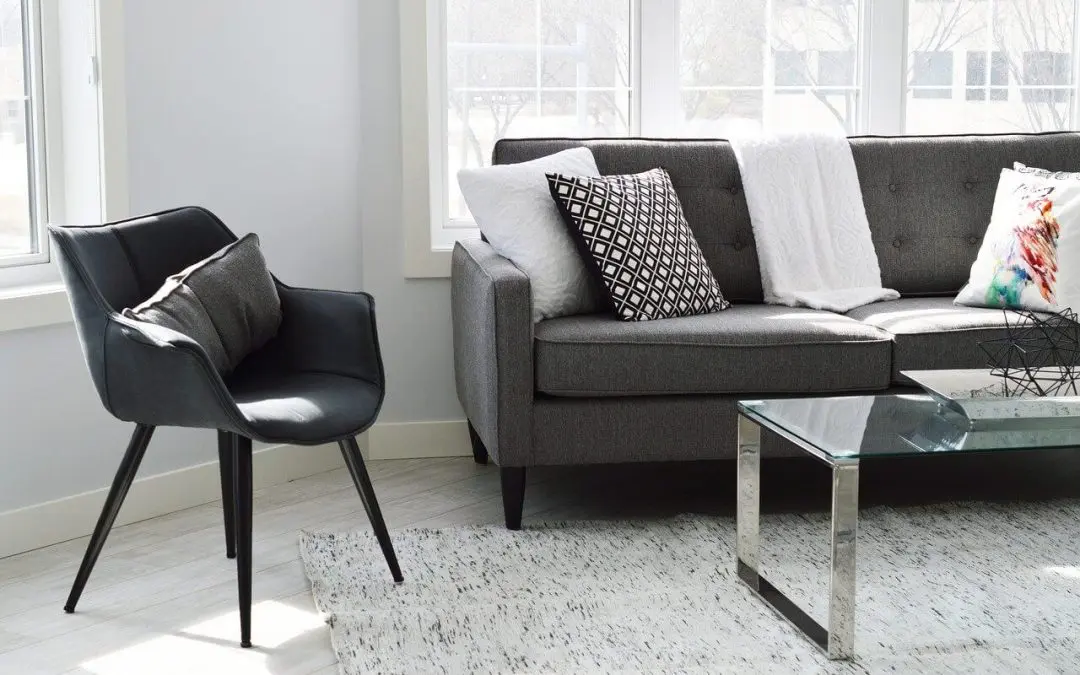
Design plays a major role when modernizing your home. Contemporary interiors often focus on simplicity, clean lines, and functional spaces. Neutral color palettes, natural materials, and uncluttered layouts create a calm and inviting environment. Open-concept living spaces remain a popular choice because they improve flow and encourage interaction between rooms. Removing unnecessary walls or widening doorways could make a home feel brighter and more spacious. Kitchen and bathroom updates can deliver a strong visual impact. Sleek cabinetry, modern fixtures, and quartz or stone countertops instantly elevates these high-traffic areas. Even replacing outdated hardware and lighting fixtures will help create a more current look without requiring a full remodel. Lighting is another powerful design tool. Layered lighting, including ambient, task, and accent lighting, adds depth to a room and enhances functionality. Modern pendant lights, recessed fixtures, and under-cabinet lighting will transform how a space feels.
Energy-Efficient Upgrades
Energy efficiency has become a key priority for homeowners. Modern upgrades often focus on reducing energy consumption while improving comfort throughout the house. Energy-efficient windows, improved insulation, and updated HVAC systems could significantly reduce heating and cooling costs. These improvements will help maintain a more consistent indoor temperature, which enhances overall comfort. Appliances are another important consideration. Many modern appliances are designed with energy efficiency in mind, using less water and electricity than older models. Upgrading to energy-efficient refrigerators, dishwashers, and washing machines reduces both environmental impact and long-term operating costs. Solar panels and renewable energy options are also gaining popularity. While these systems require an initial investment, they provide long-term savings and increase a home’s sustainability.
Small Changes That Help Modernize Your Home
Modernizing a home doesn’t always require major construction. Small changes can have a surprisingly big impact. Repainting walls with modern color palettes will instantly refresh a space. Neutral tones paired with bold accent colors create a contemporary feel without overwhelming the room. Updating flooring is another effective improvement. Hardwood, luxury vinyl, and polished concrete floors are popular choices that combine durability with modern style. Furniture and décor also influence how modern a home feels. Minimalist furniture, multifunctional storage solutions, and simple décor pieces help create a clean and organized environment. Decluttering and optimizing storage will make rooms feel larger and more functional. Outdoor spaces shouldn’t be overlooked either. Updating patios, adding outdoor lighting, or creating comfortable seating areas will extend living space and enhance curb appeal.
Frequently Asked Questions (FAQs)
What is the first step to modernizing your home?
The first step is evaluating which areas feel outdated or inefficient. Many homeowners start with lighting, paint, or smart technology because these upgrades are affordable and immediately noticeable.
Is it expensive to modernize your home?
Modernizing a home can fit a wide range of budgets. Small upgrades such as repainting, changing fixtures, or adding smart devices are often relatively affordable. Larger renovations like kitchen remodels or structural changes require more investment but also add significant value.
Which rooms should homeowners modernize first?
Kitchens, bathrooms, and living rooms often provide the biggest impact when updated. These areas are used daily and strongly influence the overall feel of the home.
Does modernizing a home increase property value?
Yes, many modern upgrades increase resale value. Energy-efficient systems, updated kitchens, smart home features, and modern finishes are highly attractive to potential buyers.
How often should a home be modernized?
Small updates every five to ten years can keep spaces feeling current and functional while preventing the need for major overhauls later.
Anderson Home Inspections offers radon testing and home inspection services in Central Ohio. Contact us to schedule our services.