
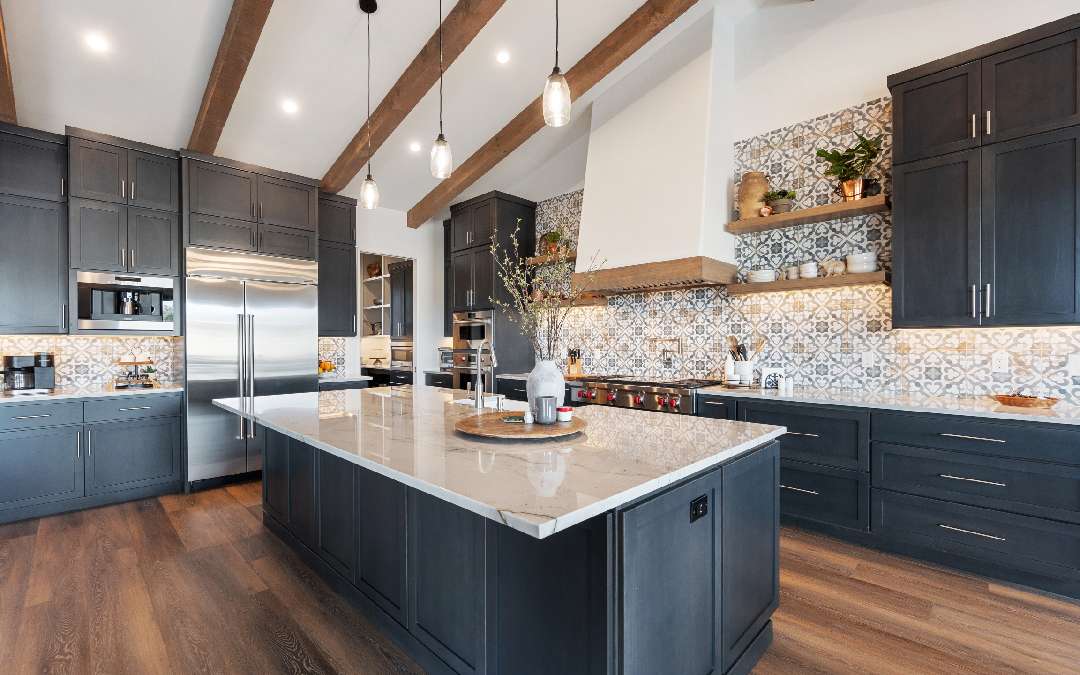
The kitchen is one of the most used rooms in any home, a place for cooking, gathering, and everyday living. Yet kitchen lighting is one of the most consistently overlooked elements of kitchen design. Poor lighting makes tasks harder, creates unnecessary safety risks, and leaves even a beautifully designed kitchen feeling flat and uninviting. With a few smart, targeted improvements, homeowners can transform how the kitchen looks and functions without a full renovation.
Why Kitchen Lighting Deserves More Attention
Kitchen lighting affects everything from how safely you prepare food to the overall mood and visual appeal of the space. A single overhead fixture creates uneven illumination, casts shadows across work surfaces, and fails to bring out the design details that make a kitchen feel polished and intentional. Well-planned kitchen lighting, on the other hand, highlights countertops, cabinetry, and backsplashes, improves visibility at every work zone, and creates an environment that’s both practical and genuinely enjoyable to spend time in.
Layer Your Lighting for the Best Results
Effective kitchen lighting relies on three layers working together. Ambient lighting provides the general illumination that keeps the room evenly and comfortably lit, recessed ceiling lights and flush-mount fixtures are the most common sources. Task lighting focuses on the specific areas where work actually happens, countertops, the sink, and the stovetop, providing the direct, shadow-free illumination needed for safe food preparation. Accent lighting adds depth and character by highlighting design features like open shelving, a tile backsplash, or decorative range hood.
Under-cabinet lighting is one of the most impactful and frequently recommended kitchen lighting upgrades available. It delivers direct light exactly where countertop tasks take place, eliminates the shadows created by overhead ambient lighting, and adds a clean, finished look to the kitchen at a relatively low cost. Pendant lights over an island or peninsula serve a dual purpose, they provide focused task lighting for the work surface below while also adding a strong visual design element to the space.
Kitchen Lighting Fixture Selection and Color Temperature
Fixture selection has a meaningful impact on both the performance and the aesthetic of kitchen lighting. Recessed lights work well for clean, unobtrusive ambient coverage. Pendants and semi-flush fixtures add personality and visual interest while contributing to task or ambient layers. When selecting fixtures, scale and placement matter as much as style. Color temperature is a subtler but equally important consideration. A slightly cool tone works well for most kitchens, providing the clarity and brightness needed for cooking tasks while still maintaining a comfortable, welcoming atmosphere. Going too warm makes task areas harder to see clearly; going too cool could make the space feel clinical and uninviting.
Energy-Efficient Kitchen Lighting and Natural Light
Switching to LED bulbs throughout the kitchen is one of the simplest and most impactful upgrades a homeowner can make. LEDs use significantly less electricity than traditional incandescent bulbs, last many times longer, and are available in every color temperature and brightness level needed for a well-layered kitchen lighting plan. Adding dimmer switches gives you the flexibility to adjust light levels based on the time of day or activity, bright and functional during meal preparation, softer and more relaxed during evening gatherings.
Natural light is a valuable asset that complements any kitchen lighting plan. It reduces the need for artificial lighting during the day, makes the space feel more open and energized, and enhances the appearance of colors and finishes throughout the room. Light-colored or sheer window treatments maximize daylight without sacrificing privacy. Keeping windows clean and avoiding blocking them with cabinetry or shelving allows natural light to reach as much of the kitchen as possible. Mirrors and reflective surfaces can further amplify daylight in kitchens that receive limited direct sun.
A well-lit kitchen is a safer, more functional, and more enjoyable space. By layering ambient, task, and accent lighting, choosing the right fixtures and color temperature, and maximizing both natural and artificial light sources, any kitchen can be transformed into a space that performs beautifully from morning coffee to evening entertaining.
Frequently Asked Questions (FAQs)
What is the most effective approach to kitchen lighting?
Layering ambient, task, and accent lighting creates the most balanced and functional result.
How can I improve kitchen lighting without a major renovation?
Adding under-cabinet LED lights, installing dimmer switches, replacing bulbs with LEDs in the right color temperature, and updating outdated fixtures are all high-impact improvements that require minimal disruption and no structural changes.
What color temperature works best for kitchen lighting?
A range of 3000K to 3500K strikes the best balance for most kitchens. It provides the clarity needed for cooking tasks while maintaining a warm, comfortable atmosphere that doesn’t feel harsh or clinical.
Are LED bulbs worth switching to in the kitchen?
Absolutely. LEDs are the most energy-efficient option available, last significantly longer than incandescent bulbs, produce less heat, and are available in every brightness level and color temperature suitable for kitchen use.
How do I maximize natural light in my kitchen?
Use light-colored or sheer window treatments, keep windows clean, avoid placing tall furniture or cabinetry that blocks light, and use reflective surfaces like light countertops or a glossy tile backsplash to help natural light travel further into the space.
Anderson Home Inspections offers radon testing and home inspection services in Central Ohio. Contact us to schedule our services.