
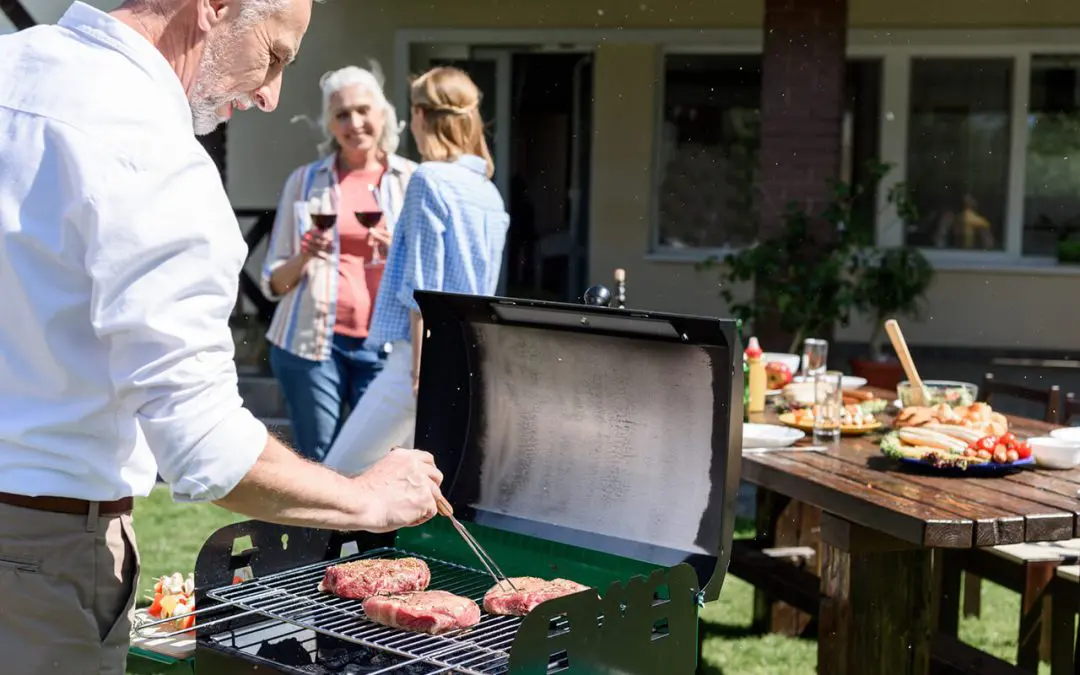
Summer cookouts are one of the season’s great pleasures, but the grill comes with real risks that are easy to overlook when you’re focused on the food. Grill safety should be a priority every time you fire up. A few smart habits practiced consistently go a long way toward keeping your family, your home, and your guests safe from cookout to cookout all summer long. The good news is that most grill-related accidents are entirely preventable with the right knowledge and a little attentiveness before, during, and after every cook.
Grill Safety Starts With Where and How You Set Up
Where and how you set up your grill before the first flame is lit directly affects how safe every cooking session will be. Always position your grill at least ten feet away from your home, deck railings, fences, and any overhanging structures or vegetation. Grills placed too close to the house are one of the leading causes of residential fires during summer, and that risk applies equally to gas and charcoal models. Never grill in an enclosed space like a garage or covered porch, even with the door open. Carbon monoxide buildup in enclosed areas is a serious, potentially life-threatening hazard that proper outdoor placement eliminates.
Keep It Clean, Grill Safety Depends on Regular Maintenance
Grease and fat buildup on grates, burners, and in the drip tray is one of the most common causes of dangerous, out-of-control flare-ups that catch even experienced grill owners off guard. Regular cleaning, including a thorough deep clean at the start of each season and after heavy use, removes the accumulated residue that fuels fires that are difficult to manage quickly. A clean grill also produces better-tasting food and runs more efficiently, so the benefits extend well beyond safety alone. Inspect the drip tray before every cook and empty it when grease has accumulated.
Gas Grill Safety Tips Worth Knowing
Gas grills require a few additional safety considerations that charcoal grill owners don’t need to think about. Inspecting hoses and connections at the beginning of each season identifies cracks, brittleness, or wear before they become a hazard. A simple leak test using soapy water applied to the connections reveals any gas leaks through bubbling. If bubbles appear, turn off the gas immediately and have the connection repaired before using the grill again. Always open the lid before igniting a gas grill to prevent gas buildup inside the cooking chamber that could cause a dangerous flash ignition. These are simple checks that take just a few minutes but make a meaningful difference in gas grill safety every season.
Never Walking Away From a Lit Grill
Stepping away from a lit grill is one of the most common and most preventable grill safety mistakes backyard cooks make. Flare-ups can escalate in seconds, and a fire that could have been managed immediately becomes a much bigger problem in the time it takes to walk back from inside the house. Designate a responsible adult to stay with the grill whenever it’s in use, keep children and pets at a safe distance at all times, and have a fire extinguisher, bucket of sand, or garden hose within easy reach so you have an immediate response option if something goes wrong unexpectedly.
What to Do After the Cooking Is Done
What happens after the last item comes off the grill matters just as much as what happens during cooking. For gas grills, turn off the burners and close the gas supply valve at the tank after every use. For charcoal grills, allow coals to cool completely before disposal. Disposing of warm or hot coals in a trash can or combustible container is a fire hazard. Always use a metal container with a tight-fitting lid for safe, complete coal disposal.
Frequently Asked Questions (FAQs)
How far should a grill be from the house?
Most fire safety guidelines and grill manufacturers recommend keeping a grill at least ten feet away from any structure. This distance provides a meaningful buffer against heat, sparks, and grease flare-ups.
What should I do if a grease fire breaks out on my grill?
Turn off the burners if it’s safe to do so and keep the lid closed to cut off the oxygen feeding the fire. Never use water on a grease fire. A class K or ABC fire extinguisher is the appropriate tool for a grease fire that cannot be controlled by closing the lid. If the fire is spreading beyond the grill, evacuate and call 911 immediately without attempting to move the grill.
How often should I clean my grill for safety?
Grates should be cleaned after every use while the grill is still warm. A thorough deep clean of the entire grill should be done at least once per season and more frequently for heavy users.
Is it safe to grill on a wood deck?
Grilling on a wood deck requires extra caution. Keep the grill well away from deck railings and combustible surfaces, use a grill mat under the grill to protect the deck from grease drips and heat, and never leave the grill unattended.
How do I safely store a propane tank when not in use?
Propane tanks should always be stored outdoors in a well-ventilated area. Store tanks upright on a stable surface away from direct sunlight and heat sources.
Anderson Home Inspections offers radon testing and home inspection services in Central Ohio. Contact us to schedule our services.