
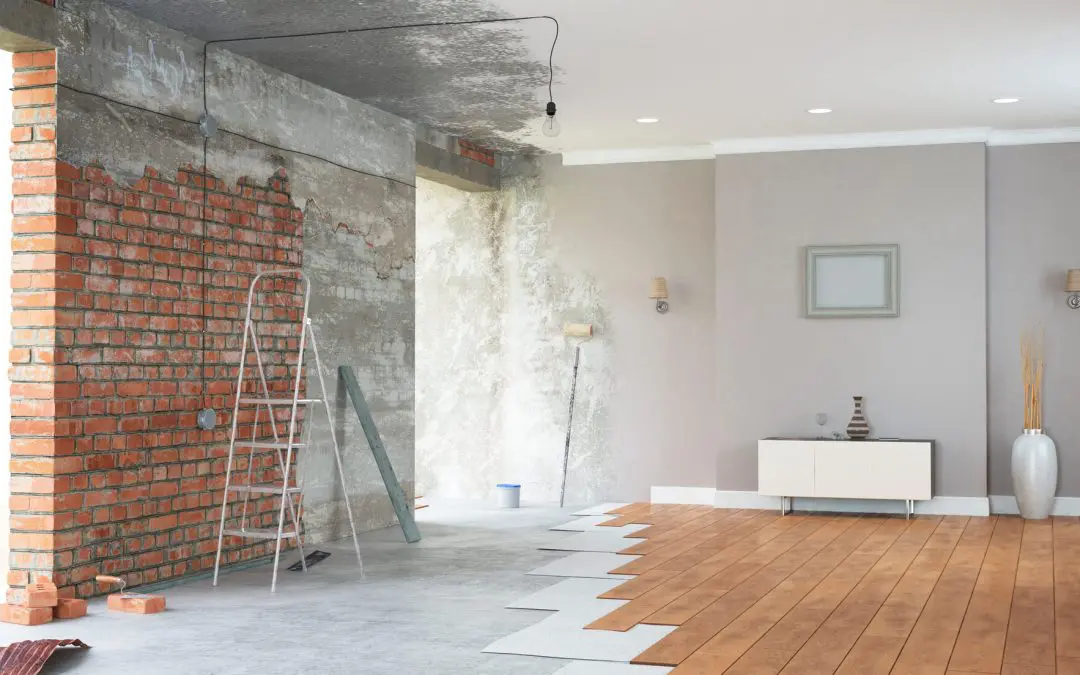
Learning to flip a house is one of the most appealing ideas in real estate investing. The version most people encounter on television involves finding an undervalued property, doing some cosmetic work over a few weeks, and selling for a dramatic profit. The reality is more nuanced, more demanding, and more rewarding when approached with the right preparation. The investors who flip a house successfully treat it as a business discipline rather than a home improvement project with a profit target attached. Understanding the difference between those two approaches is where the education begins.
The Financial Foundation You Need Before You Flip a House
The most common mistake first-time flippers make is focusing on the property before establishing the financial framework. Every decision during a flip flows from the financial model, and investors who build the model after falling in love with a property consistently get the numbers wrong. The 70 percent rule is the foundational formula experienced flippers use to evaluate acquisitions. Pay no more than 70 percent of the after-repair value (ARV) minus the estimated cost of repairs. If a home has an ARV of $300,000 and needs $60,000 in repairs, the maximum acquisition price is ($300,000 × 0.70) − $60,000 = $150,000. This formula builds in margin for carrying costs, commissions, closing costs, and profit. Paying above this threshold compresses the margin that absorbs the cost overruns nearly universal in renovation projects.
Financing is the other critical variable. Cash purchases eliminate interest and make offers more competitive. Hard money loans are the most common vehicle for investors who don’t purchase cash. They carry higher interest rates and shorter terms, which is why every month a flip sits unsold reduces the return through interest, insurance, utilities, and taxes.
How to Find and Evaluate Properties
The acquisition is where most of the profit in a flip is made or lost; by the time a property is purchased, the margin is largely determined. The best flip candidates share predictable characteristics: priced below market value due to condition, estate situations, foreclosure, or motivated sellers; located in desirable neighborhoods with strong comparable sales; and with a gap between current condition and market-ready that is primarily cosmetic rather than structural. A house needing new flooring, paint, updated kitchens and bathrooms, and landscaping is a significantly better candidate than one needing foundation repair or serious structural work, because the cost estimating is far less reliable and the timeline far less predictable.
Comparable sales establish ARV and determine whether the acquisition price and renovation budget leave adequate margin. Pull the last six months of sales within a half-mile for similar square footage, bedroom count, and condition. Be conservative in your ARV estimate; the optimistic comp is what gets flippers into trouble.
Managing the Renovation When You Flip a House
A flip that runs two months over schedule due to contractor delays, permit issues, or scope creep is a flip where carrying costs have consumed a meaningful portion of the projected return. Hire licensed, insured contractors with documented experience in the specific trades required and verifiable references from recent similar projects. The cheapest bid rarely provides the best value; a low bid that produces poor work requiring rework costs far more than the premium of a reliable, experienced crew.
Focus renovation spending on improvements that produce the most buyer impact at the price point of the market. Kitchen and bathroom updates, fresh paint, new flooring, and strong curb appeal drive the perception of value that motivates offers. Structural and mechanical improvements that the market won’t directly reward should be completed only to the minimum standard required.
Frequently Asked Questions (FAQs)
Do I need a real estate license to flip a house?
No, a license is not required to buy and sell properties you own as an investor. A license does provide access to the MLS for direct research and allows you to represent yourself without paying a buyer’s agent commission on acquisition. Whether obtaining a license is worth the time and cost depends on your deal volume and your state’s specific requirements.
How do I accurately estimate renovation costs before I flip a house?
Walk the property with licensed contractors in each trade before making an offer, then build a 15 to 20 percent contingency into the total. The most common estimating errors are underestimating cosmetic scope, failing to account for permits and code upgrades triggered by the permit, and not pricing in a general contractor’s oversight fee if you’re not managing trades directly.
How long does it typically take to flip a house from purchase to sale?
A straightforward cosmetic flip can be completed in three to five months from closing on acquisition to closing on sale. Complex renovations, permit-heavy markets, or soft buyer demand can push this to six to nine months or longer. Experienced flippers build conservative timelines, manage contractor schedules aggressively, and list the property before renovation is fully complete when the market allows.
What are the biggest mistakes first-time investors make when they flip a house?
The most costly are overpaying for the acquisition and over-improving the property beyond what comparable homes in the neighborhood offer. Additional common mistakes include underestimating carrying costs, hiring contractors on price alone, and failing to build adequate contingency into the renovation budget for unknown conditions that almost every renovation reveals.
Anderson Home Inspections offers radon testing and home inspection services in Central Ohio. Contact us to schedule our services.